Correct answer
d 3B
Using precise definitions for surgical results is crucial, especially when quality and safety outcomes are being reported. In 1992, Clavien and Dindo proposed that “negative outcome should be subdivided into complication, sequelae, and failure to cure”. Complications are deviations from the normal postoperative course. Sequelae are conditions that are inherent to the procedure such as scar formation and postoperative pain. Examples of failure to treat include early recurrence of breast cancer after resection.
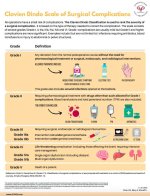
The Clavien Dindo classification of complications is simple, reproducible and applicable to all surgical complications. The classification creates a distinction based on the severity of the complications. Thompson et al applied the Clavien Dindo classification to pediatric surgical patients. The incidence of any complication was 4.4%, of serious complication (defined as ≥CD III) 2.6%.
Grade
I
Any deviation from the normal postoperative course without the need for pharmacological treatment or surgical, endoscopic and radiological interventions. Allowed therapeutic regimens are: drugs as antiemetics, antipyretics, analgesics, diuretics and electrolytes and physiotherapy. This grade also includes wound infections opened at the bedside.
II
Requiring pharmacological treatment with drugs other than such allowed for grade I complications.
Blood transfusions and total parenteral nutrition are also included.
IIIa
Requiring surgical, endoscopic or radiological intervention
IIIb
Intervention not under general anesthesia
IV
Life-threatening complication (including CNS complications)* requiring IC/ICU-management
IVa
Single organ dysfunction (including dialysis)
IVb
Multi organ dysfunction
V
Death of a patient